By Gladstone Njokem/Moonlit Majesty Sphynx/Sphynx Cat Nutrition
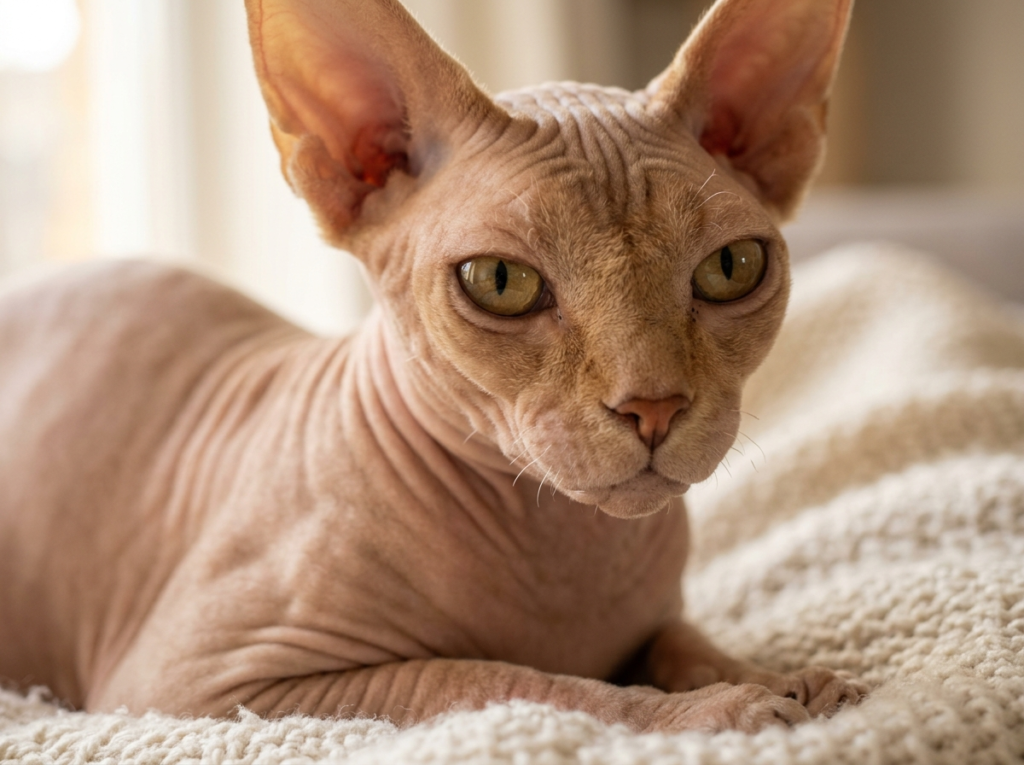
The most common question we get at Moonlit Majesty Sphynx, after ‘Are they soft?’ is ‘Why is my cat so oily?’ The answer is almost always linked directly to Sphynx cat nutrition. Because they lack fur, these unique felines have a higher metabolic rate and specific dietary needs to maintain their skin health. If you are struggling with a ‘greasy’ Sphynx or skin breakouts, the solution isn’t another bath; it’s a look inside their bowl to ensure they are getting the right nutrients.
Here is everything you need to know about optimizing your Sphynx’s nutrition for a healthy, glowing complexion.
1. How Metabolism Impacts Sphynx Cat Nutrition
It’s a myth that Sphynx cats don’t produce oil. Specifically, they produce more oil than furry cats. Their sebaceous glands are highly active, designed to protect and moisturize their exposed skin.
The Metabolic Demand: Because they must burn more calories just to stay warm, Sphynx cats require a calorie-dense diet. A standard, low-calorie “indoor cat” formula often won’t cut it. When their high energy demands aren’t met with quality fuel, their body prioritizes vital organs, and skin health is the first to suffer.
Signs Your Sphynx’s Diet Needs an Upgrade:
- Excessive, “Sticky” Oil: This is often a sign of a high-carb or low-quality fat diet.
- Blackheads on the Chin or Tail: Blocked pores frequently result from an improper balance of oils.
- Flaky or Red Skin: This indicates a lack of essential fatty acids or a potential food sensitivity.
2. High-Protein Diets: The Foundation of Sphynx Nutrition
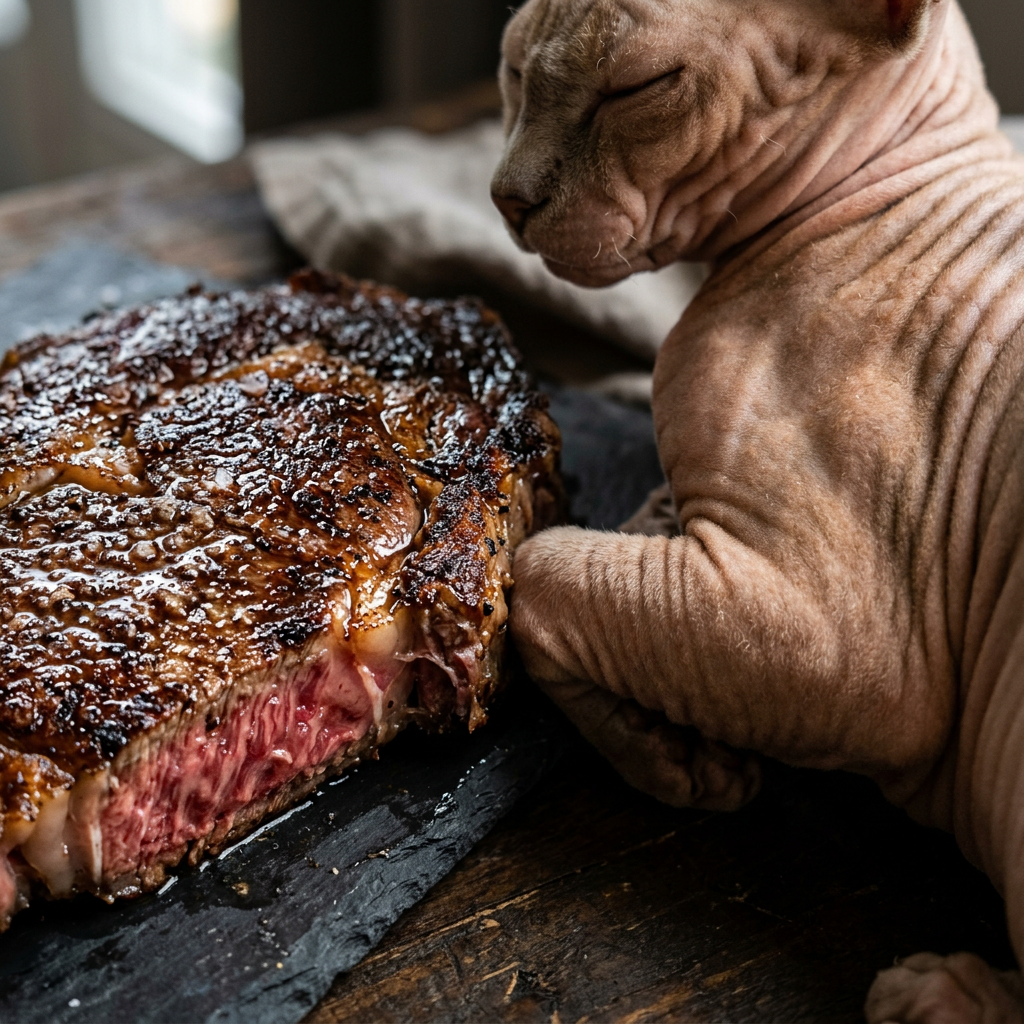
First and foremost, Sphynx are obligate carnivores. Their digestive systems are built to process animal protein, not plant-based fillers like corn, wheat, or soy.
What to look for: The first three ingredients on your cat food label should be specific meats, such as “Chicken,” “Turkey,” or “Salmon.” Avoid generic terms like “meat by-products.”
Why it matters for skin: Skin is made of protein. A diet rich in animal-based amino acids provides the building blocks for strong, healthy skin cells. A strong skin barrier is less prone to irritation and infection.
3. Essential Fatty Acids for Optimal Sphynx Skin Health
If protein is the building block, Essential Fatty Acids (EFAs) are the “mortar.” For more detailed information on feline heart health and the importance of screening, we recommend reviewing the FelineVMA guidelines on responsible breeding. For Sphynx cats, a proper balance of Omega-3 and Omega-6 fatty acids is critical for reducing inflammation and regulating sebum (oil) production. At Moonlit Majesty, we believe skin health starts on day one. This is why our Health Guarantee covers congenital issues, ensuring your kitten has the best start in life.
Omega-3 Fatty Acids (The Inflammation Fighter)
Found in: Salmon Oil, Sardines, Green Lipped Mussel. Benefit: Omega-3s help soothe skin irritations and are vital for Sphynx prone to allergies or “acne.”
Omega-6 Fatty Acids (The Moisture Barrier)
Found in: Chicken Fat, Sunflower Oil. Benefit: Omega-6s help maintain the skin’s integrity and prevent moisture loss, crucial for avoiding dry, flaky skin.
Pro-Tip from Moonlit Majesty: We recommend supplementing your Sphynx’s diet with a high-quality, pre-measured pump of Salmon Oil once a day. This is often the single most effective way to improve skin clarity.
4. Hydration: Skin is Water-Based
Skin health starts on the inside, and nothing is more internal than water. A dehydrated Sphynx will have dull, tight, and flaky skin.
Sphynx cats have a naturally low thirst drive. In the wild, they would get most of their water from their prey. Consequently, relying solely on dry kibble can lead to chronic, low-level dehydration.
Our Recommendation:
- Always Provide Fresh Water: Change water daily, or use a cat fountain to encourage drinking.
- Incorporate Wet Food: We advocate for a diet that includes at least 50% high-quality wet/canned food or a balanced raw diet. The moisture content in wet food is essential for keeping their skin supple.
5. What to Avoid: Fillers and Common Allergens
A common “quick fix” for oily skin is to switch to a food that contains lots of carbohydrates, which “dries out” the oil. This is a mistake.
While it may reduce surface oil temporarily, a high-carb diet puts strain on their pancreas and can lead to obesity and diabetes. Worse, fillers like corn and gluten are common allergens that can trigger skin rashes and Eosinophilic Granuloma Complex (EGC).
Avoid Foods That List:
- Corn, Wheat, or Soy
- Artificial Colors or Preservatives (e.g., BHA, BHT)
- “Meat Meal” or “Animal Fat” (unspecified sources)
Final Thoughts on Mastering Your Sphynx Cat Nutrition
At Moonlit Majesty Sphynx, we’ve spent years perfecting our feeding protocols. While every cat is an individual, the foundational needs remain the same: high-quality animal protein, balanced essential fatty acids, and optimal hydration.
Investing in premium nutrition isn’t just about having a cleaner Sphynx (though that’s a nice bonus!); it’s about investing in their long-term health and preventing the discomfort of skin issues. As a dedicated breeder, we follow the strict health and welfare standards set by The International Cat Association (TICA).
Thinking of adding a new hairless companion to your family? Visit our Available Kittens Page to see our current litters, all raised on a premium, skin-supporting diet!
Finally, you can read more about us where we discuss our breeding philosophy or
More information on How to bath a sphynx? Click here!
Pingback: Finding Reputable Sphynx Cat Breeders in the USA: The 2026 Guide - Moonlit Majesty Sphynx