
Choosing a new kitten is an emotional journey, but it is also a significant responsibility. When you bring a Sphynx into your home, you want to ensure they have the best possible start in life. HCM and health testing are the most critical factors to consider during your search for an ethical breeder.
In this guide, we will break down what HCM is, why annual screening is vital, and how to verify that your breeder is prioritizing heart health.
Understanding HCM and Health Testing in the Sphynx Breed

Hypertrophic Cardiomyopathy (HCM) is a condition where the muscular walls of a cat’s heart thicken over time. This makes it difficult for the heart to pump blood efficiently, which can lead to heart failure or sudden complications.
Because the Sphynx breed is predisposed to this genetic condition, proactive testing is the only way to manage and reduce its prevalence. Hypertrophic Cardiomyopathy is the most common heart disease in cats. You can find a detailed medical overview of the condition at the Cornell Feline Health Center.
The Role of Genetic Markers in Comprehensive HCM and Health Testing
Many breeders will mention they use DNA testing for the $ALMS1$ mutation. While this is an excellent tool for identifying specific genetic markers, it does not tell the whole story.
Genetic testing only identifies known mutations. However, a cat can still develop HCM even if their DNA test is clear. Therefore, a DNA test alone is not a “clean bill of health.” While we use DNA testing to identify specific markers like the $ALMS1$ mutation, scientists at NC State Veterinary Medicine note that a negative result does not rule out all forms of the disease.
The Gold Standard: Annual Echocardiograms

The most reliable way to monitor heart health is through an echocardiogram (a heart ultrasound). This must be performed by a Board-Certified Veterinary Cardiologist, not a general practitioner.
Why Annual Scans are Essential for Reliable HCM and Health Testing Results
HCM is a progressive disease. A cat might have a perfectly normal heart scan at two years old but begin to show thickening at four. Ethical breeders scan their breeding cats every single year to ensure that only the healthiest hearts are passing on their legacy.
Step-by-Step: How to Verify a Breeder’s Health Claims
If you are currently interviewing breeders, use this checklist to ensure they meet high health standards:
- Ask for Scans, Not Just Words: A reputable breeder will happily share the PDF reports from their cardiologist.
- Check the Dates: Ensure the parents of your kitten were scanned within the last 12 to 18 months.
- Verify the Specialist: Look for the letters DACVIM (Cardiology) after the vet’s name on the report.
- Inquire About the Pedigree: Ask if the breeder tracks the heart health of the grandparents and great-grandparents as well. When researching a cattery, it is vital to hear from other families. You can read about the experiences of our previous kitten owners on our Reviews Page.
To ensure your breeder is using a qualified professional, you can verify their specialist’s credentials through the VetSpecialists directory, which lists board-certified cardiologists.
Our Commitment to Longevity
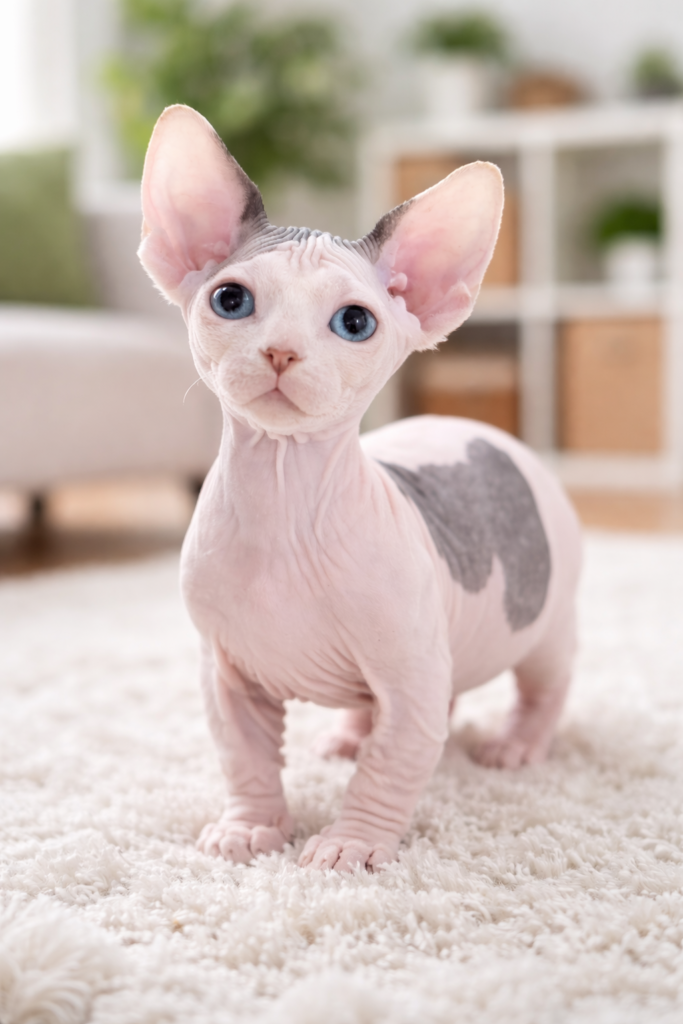
At Moonlit Majesty Sphynx, we believe that transparency is the foundation of trust. We don’t just love our cats; we protect their future. By investing in annual cardiac screenings and rigorous genetic mapping, we strive to provide you with a companion that is as healthy as they are beautiful. We stand behind our rigorous screening process with a comprehensive contract. For more details on how we protect our kittens, please visit our Health Guarantee and Shipping page.
Conclusion
Ultimately, HCM and health testing are about peace of mind. When you choose a breeder who prioritizes these standards, you are investing in years of purrs, warmth, and companionship.
Are you ready to find your healthy soulmate? Browse our available kittens or contact us to learn more about our specific health protocols.
Pingback: Sphynx vs. Other Breeds: Why Choose a Hairless Cat? - Moonlit Majesty Sphynx
Pingback: Preparing Your Home: A Checklist for New Sphynx Owners - Moonlit Majesty Sphynx
Pingback: TICA Sphynx Breeder: How to Choose a Healthy and Ethical Sphynx Kitten - Moonlit Majesty Sphynx